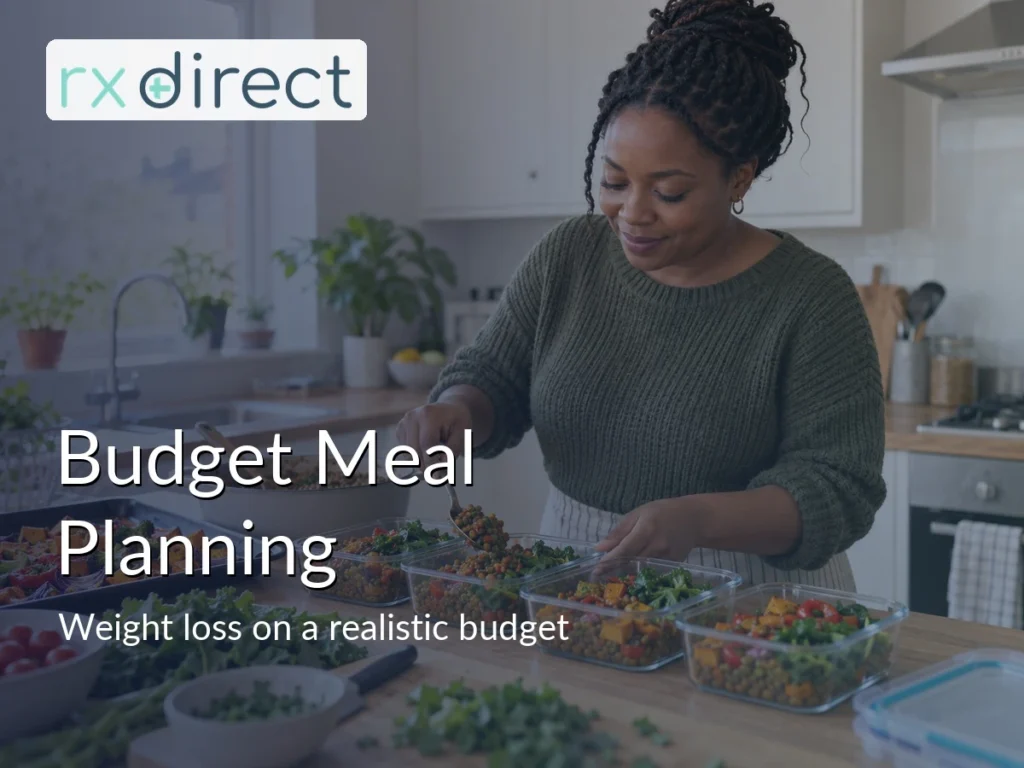
Budget Meal Planning for Weight Loss: A Practical UK Approach
We explain how to build an affordable meal plan for weight loss, reduce waste and keep meals balanced around your work, household and treatment.

Published On: 10th September, 2026
Starting treatment is only the first step. What actually determines your Wegovy pill results over time is a combination of consistency, timing, and the habits you build around the medicine itself. The tablet can be a powerful tool for weight loss, but like any prescription treatment, how you use it plays a real part in what you get out of it, particularly given how sensitive the oral form is to timing and food.
This guide brings together practical tips for getting the most from oral semaglutide, along with an honest look at how results tend to develop over the weeks and months of treatment. None of these tips replace clinical advice, but they reflect the habits that consistently support better outcomes alongside prescribed treatment. For a full overview of the medicine itself, see our complete guide to the Wegovy pill.
It helps to set expectations early, since results rarely arrive in a straight line. Most people notice a broadly similar pattern as treatment progresses:
It is worth remembering that appetite suppression is usually the first sign the medicine is working, even before the scales move. Weight loss itself tends to follow with a short delay, and progress often comes in phases rather than a smooth, constant decline. Some weeks will show more change than others, and this is entirely normal. Comparing week to week can be discouraging, whereas looking at the broader trend over a month or more tends to give a far more realistic sense of how treatment is going.
It can be tempting to want to move through the doses faster once appetite changes are noticed, but the gradual schedule exists for good reason. Increasing too quickly raises the likelihood of side effects, which in turn makes people more likely to pause or stop treatment altogether. Sticking to the prescribed timeline, generally a minimum of one month at each dose, gives the best chance of steady progress without unnecessary setbacks.
Because the tablet is absorbed differently to the injectable pen, how consistently you follow the fasting and timing rules has a direct impact on how much of each dose your body actually takes in. A few habits make a noticeable difference:
Occasional slips are unlikely to undo your progress, but making this a consistent daily habit is one of the simplest ways to support better results over time.

Reduced appetite creates an opportunity, but it works best when paired with some structure around meals rather than left entirely to chance. Helpful habits include:
Because appetite is naturally lower, it is easy to under-eat certain nutrients without noticing. A simple, balanced approach tends to produce more sustainable results than restrictive dieting on top of the medicine.
Exercise does not need to be intense to support results. Regular, moderate activity, such as walking, has consistently been linked to better outcomes when combined with GLP-1 treatment. Practical starting points include:
Consistency here matters more than intensity. Small, repeatable habits tend to outperform occasional bursts of high effort.
Weight can fluctuate day to day for reasons unrelated to treatment, including hydration, hormones, and food intake the previous day. Relying on the scales alone can make progress feel slower or more inconsistent than it actually is. Other useful markers include:
Looking at trends over two to four week periods, rather than day to day, tends to give a far more accurate picture of how treatment is progressing.
To begin tracking progress correctly, it is important to understand your starting point. Use our tracker to assess your BMI and find out how much weight you could lose on medication.
Sleep and stress are often overlooked, but both influence appetite hormones and can work against the effects of treatment if left unaddressed for a long period. Where possible:
These factors will not undo the effects of the medicine, but addressing them tends to make the whole process feel more manageable and can support steadier results.
Periods where weight loss slows or briefly stalls are a normal part of the process, even while taking the tablet consistently and correctly. This does not usually mean the medicine has stopped working, and it is one of the most common reasons people feel discouraged despite doing everything right. Rather than making sudden changes, it is generally more effective to:
Your prescriber can help identify whether a plateau reflects a normal pause or whether any adjustment to your plan may help.

Consistency is the single biggest driver of results, which is partly why the choice between the tablet and the injection matters. Some people find a daily tablet easier to build into a routine, while others prefer a once-weekly injection with no fasting requirement. Neither format produces meaningfully different results when taken correctly and consistently, but the one you can realistically stick with long term will always outperform the “theoretically better” option you struggle to maintain. Our comparison of the Wegovy pill vs the Wegovy injection can help if you are still deciding.
Gaps in treatment, whether from missed prescriptions or delayed reordering, can disrupt the steady routine that supports good results, and restarting after a gap sometimes means adjusting the dose again rather than picking up where you left off. Ordering ahead of running out, and keeping track of your current dose and next review date, helps avoid unplanned pauses in treatment. You can view current Wegovy pill availability and pricing when it is time to reorder.
Wegovy pill results are shaped as much by the habits built around treatment as by the medicine itself. Following the schedule, respecting the timing rules, and pairing the tablet with consistent lifestyle habits all contribute to steadier, more sustainable progress over time, even when week-to-week changes feel slow.
If you would like personalised advice on getting the best results from your treatment, you can speak to a qualified clinician at RX Direct, who can review your progress and adjust your plan where needed.
Explore the latest updates, expert tips, and health news from RX Direct. Our blog covers treatments, new medications, and helpful advice for managing your health online.
We explain how to build an affordable meal plan for weight loss, reduce waste and keep meals balanced around your work, household and treatment.
We explain food-first ways to include protein with a smaller appetite, adapt meal size and seek tailored support during weight-loss treatment.
We explain how to build fibre into a smaller eating pattern, support bowel routines and recognise symptoms that need advice during weight-loss treatment.
We explain per100g nutrition figures, serving sizes and food claims so you can make clearer supermarket choices during weight management.
We explain what to record for a weight-loss prescription review, from treatment gaps and new medicines to symptoms and changing health needs.